Your Child’s Brain Can Learn a New Path Back to Calm
How neuroplasticity, co-regulation, and repeated sensory experiences can support nervous-system regulation
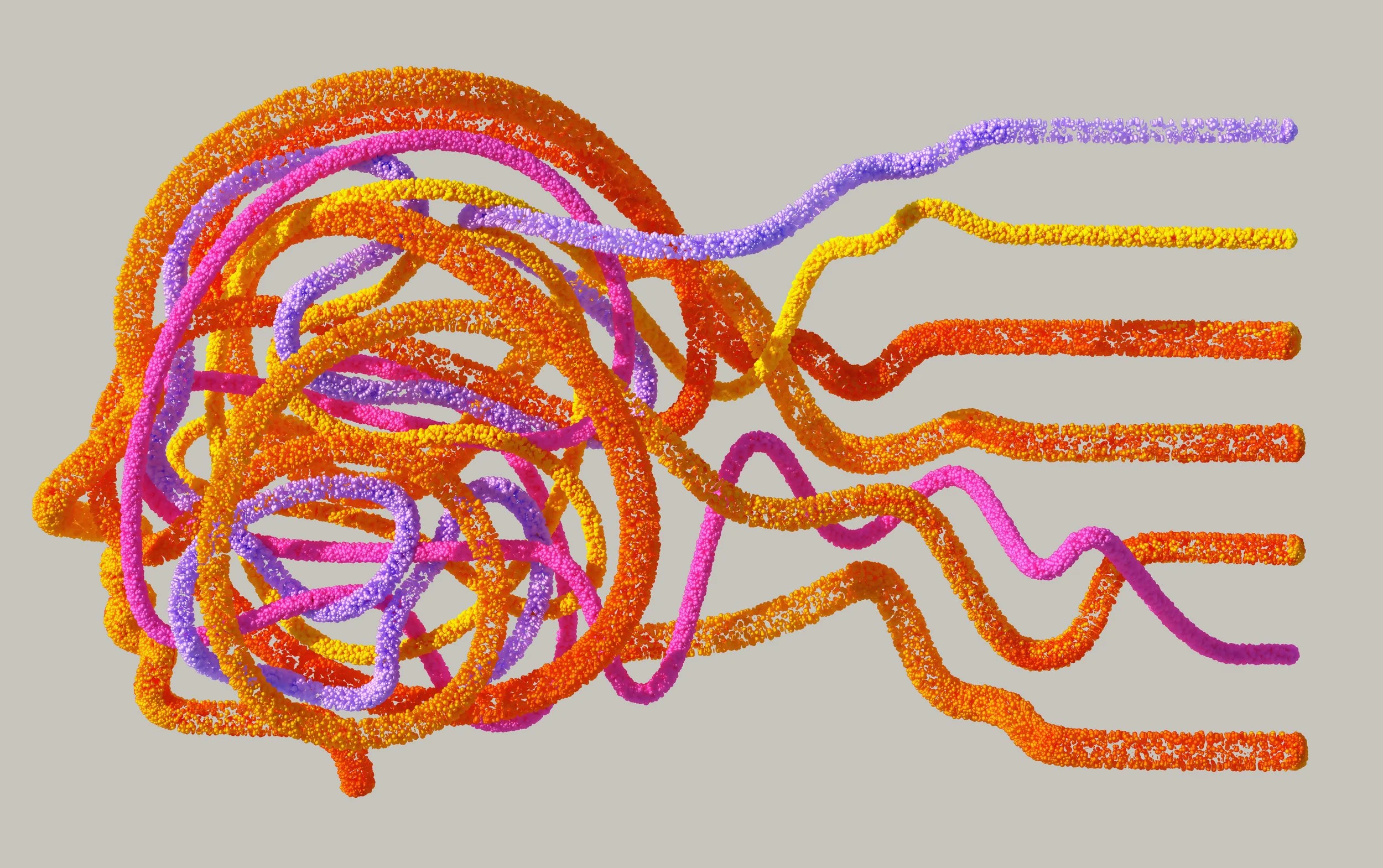
Some children seem to move through the day with their nervous system already on high alert. A small change in plans, a loud room, an unexpected demand, or one more uncomfortable sensation can lead to a reaction that feels much bigger than the moment. You may have already taught your child to take a deep breath, count to ten, or ask for a break. They may be able to tell you every coping strategy they know when they are calm. Then the hard moment arrives, and those strategies seem to disappear.
That does not necessarily mean your child is refusing to use them. It may mean their nervous system cannot easily access those skills in that moment.
Regulation is not the ability to remain calm all the time. It is the ability to move through different levels of alertness and gradually return to a state where connection, thinking, communication, and participation are possible again. That path back can become more familiar with repeated, supportive experiences.
What Does It Mean to “Rewire” the Brain?
The word *rewire* can make it sound as though the brain has an on-and-off switch. It does not. The more accurate idea is **neuroplasticity**, which is the nervous system’s ability to adapt and change its activity, connections, and patterns in response to experience. When a child repeatedly experiences stress, the brain may become very efficient at noticing possible danger and preparing the body to respond. This can look like yelling, hitting, running away, freezing, shutting down, hiding, or becoming unable to tolerate something that usually seems manageable. The encouraging part is that the nervous system can also learn from repeated experiences of safety, connection, movement, sensory support, and successful recovery. This does not happen through one perfect calming activity. It happens through many small moments in which a child’s body experiences, “I became overwhelmed, someone helped me feel safe, and I found my way back.” Over time, those experiences can help build a more familiar path toward regulation.
The Stress Response Is Not the Enemy
The autonomic nervous system helps manage automatic body functions and continually adjusts to what is happening inside and around us. The sympathetic branch helps mobilize the body for action. It supports the familiar fight-or-flight response. This system is not bad. Children need energy and activation to run, play, solve problems, respond to danger, and try new things. The parasympathetic branch supports functions associated with rest, digestion, recovery, and energy conservation. Practices such as slow breathing, relaxation, and certain forms of movement or sensory input may help the body move toward a recovery state. The goal is not to keep a child in one “calm” state all day. A healthy nervous system needs flexibility. It needs to activate when action is required and recover when the demand has passed. For many children, the difficult part is not becoming activated. It is finding the way back.
Five Ways to Help Your Child Practice the Path Back
No single strategy works for every child, and even a preferred strategy may not work every time. Think of the ideas below as options to observe and explore, not a checklist your child must complete.
1. Begin With Your Own Nervous System Children often borrow regulation from the adults around them before they can regulate independently. Your pace, face, voice, posture, and presence provide information about whether the moment is safe.
When possible:
- Lower and soften your voice.
- Slow your movements.
- Use fewer words.
- Move beside your child instead of standing over them.
- Relax your shoulders and unclench your jaw.
- Pause before trying to correct, question, or explain.
Try saying: “You’re safe. I’m here. We can slow this down together.”
Co-regulation does not mean allowing unsafe behavior.
You can keep a clear boundary while remaining steady: “I’m not going to let you hit. I’m staying with you while we help your body get safe.”
2. Make Breathing Playful, Not Another Demand Slow, comfortable breathing can support the body’s relaxation response. For many children, especially younger children, “Take a deep breath” feels too abstract or can sound like another instruction during an already difficult moment. Practice breathing when your child is regulated enough to learn.
You might:
- Blow bubbles slowly.
- Pretend to smell a flower and gently blow out a candle.
- Blow a pinwheel.
- Hum or sing a familiar song together.
- Place a stuffed animal on the belly and watch it rise and fall.
Keep the breath comfortable. A gentle exhale that lasts a little longer than the inhale may feel settling, but children should never be pushed to hold their breath or continue if they feel dizzy or uncomfortable. The goal is not perfect breathing. The goal is helping the child notice that they can influence how their body feels.
3. Use Rhythm and Movement For some children, sitting still is not the path to regulation. Rhythmic movement may be far more accessible.
Depending on the child, try:
- Walking side by side
- Rocking in a chair
- Gentle swinging
- Marching to a steady beat
- Dancing to a familiar song
- Pushing a laundry basket
- Carrying books or groceries
- Wall pushes
- Slow animal walks Movement can help a highly activated child release energy.
It may also help a child who has shut down become more alert and available for connection. Watch your child’s response. Faster, unpredictable movement may increase alertness for some children, while slow, repetitive movement may feel organizing. The child’s body will give you more useful information than the name of the activity.
4. Offer Sensory Input the Child Actually Prefers Touch and deep pressure can feel comforting to one child and overwhelming to another. A hug is regulating only when the child wants the hug.
Possible options include:
- A firm hug, if welcomed
- Being wrapped snugly in a blanket while supervised
- A hand or shoulder massage, with permission
- Squeezing a pillow
- Sitting in a cozy, lower-stimulation space
- Dimming the lights
- Reducing background noise
- Drinking water through a straw
- Holding a familiar comfort item
Instead of asking a long series of questions, offer two simple choices:
“Do you want a squeeze or some space?”
or
“Would your body like to push the wall or sit in the quiet corner?”
The best sensory strategy is not the one that looks calming to an adult. It is the one that helps that child become more organized, connected, and able to participate.
5. Repeat a Small, Predictable Recovery Routine During stress, a long list of coping tools can become one more thing to process. A short routine gives the nervous system a familiar sequence to follow.
For example:
1. Reduce words and demands.
2. Connect: Offer a calm voice and steady presence.
3. Support the body: Choose one familiar breathing, movement, or sensory strategy.
4. Wait: Give the strategy time before adding another.
5. Reconnect: Talk about the situation only after the child is available again.
Practice the routine during neutral moments. Let your child help choose the movement, comfort item, or breathing game that belongs in the plan. Skills practiced only during a crisis are difficult to use. Skills practiced through play and connection are more likely to feel familiar when stress begins to rise.
What If the Strategy Does Not Work? A strategy that does not help is information, not failure.
Ask yourself:
- Was my child already too overwhelmed to use this skill?
- Did the strategy match what their body needed?
- Did I use too many words or give too many choices?
- Does this activity usually calm my child, or does it simply look calming?
- Have we practiced it during calm moments?
- Is hunger, fatigue, pain, illness, fear, or sensory overload contributing?
- Does my child need connection, space, movement, or a reduced demand before anything else?
The answer may change from one day to the next. Regulation is not a formula. It is a process of noticing patterns, responding with curiosity, and adjusting support.
When to Seek More Support
Every child becomes overwhelmed sometimes. Consider speaking with your child’s pediatrician or another qualified professional if stress, anxiety, shutdowns, aggression, sensory reactions, or difficulty recovering are frequent, worsening, creating safety concerns, or interfering with sleep, school, relationships, play, or daily routines. An occupational therapist can help explore sensory processing, body awareness, environmental demands, routines, and the regulation skills a child needs for everyday participation. A mental health professional can help when anxiety, trauma, mood, or emotional concerns need additional support.
Your Child Is Not Broken Your child does not need to learn how to feel nothing. They need repeated experiences of moving through hard feelings without facing them alone. Each time you slow your voice, offer safety, notice what their body is communicating, and help them recover, you are doing more than stopping one difficult moment. You are helping their nervous system practice a path it can find again. Progress may look like recovering five minutes sooner. Accepting help before reaching a full meltdown. Choosing movement instead of hitting. Asking for space. Returning to connection after shutting down. Those small changes count.
Because when we understand thewhy, we can better support the how.
*This article is for educational purposes only and is not a diagnostic tool or a substitute for individualized medical, mental health, or occupational therapy advice.*
References and Further Reading
- [Neuroplasticity, National Library of Medicine](https://www.ncbi.nlm.nih.gov/books/NBK557811/)
- [Parasympathetic Nervous System, National Library of Medicine](https://www.ncbi.nlm.nih.gov/books/NBK553141/)
- [Relaxation Techniques: What You Need to Know, National Center for Complementary and Integrative Health](https://www.nccih.nih.gov/health/relaxation-techniques-what-you-need-to-know)
- [Why Kids Act Out: Tips to Help Your Child Cope With Stress, American Academy of Pediatrics](https://www.healthychildren.org/English/healthy-living/emotional-wellness/Building-Resilience/Pages/why-kids-act-out-tips-to-help-your-child-cope-with-stress.aspx)
- [Just Breathe: The Importance of Meditation Breaks for Kids, American Academy of Pediatrics](https://www.healthychildren.org/English/healthy-living/emotional-wellness/Pages/Just-Breathe-The-Importance-of-Meditation-Breaks-for-Kids.aspx)